
Artificial Grass Tennis Court Builders in Melbourne
Melbourne is a city that lives and breathes sport. From the bright lights of the Australian Open at Melbourne Park to the vibrant local clubs in the suburbs, tennis is woven into the fabric of our culture. For homeowners looking to bring that professional experience into their own backyard, the surface choice is the most critical decision they will make.
When it comes to durability, aesthetics, and playability, Ultracourts stands out as the premier artificial grass tennis court builders Melbourne residents trust. In this comprehensive guide, we explore why synthetic turf is the gold standard for Victorian homes and how Ultracourts delivers a world-class playing experience.
What is an Artificial Grass Tennis Court?
Artificial grass has come a long way since its inception. Often referred to by various names in the industry, it is a versatile, high-performance surface designed to mimic the characteristics of natural grass without the constant upkeep. Depending on who you talk to, you might hear it called:
- Synthetic Grass: The most common industry term used by professionals.
- Sand-Filled Artificial Grass (SFAG): Highlighting the silica sand infill that keeps fibres upright and provides traction.
- Synthetic-Filled System: A technical term for the layered construction of the court.
- AstroTurf: Originally a brand name, it has become a generic nickname for any artificial turf surface.
- Soft Court: A term used by players to describe the joint-friendly, cushioned nature of the surface.
Precision Engineering: Different Types of Turf
Not all synthetic surfaces are created equal. As Melbourne’s expert artificial grass tennis court builders, Ultracourts offers a range of specialized fibres and piles to suit your specific style of play.
Fiber Technology
- Monofilament: These are individual, strong fibres. They are designed for a faster, more consistent bounce that closely mimics a perfectly manicured natural grass court.
- Texturised: These fibres are “crimped” during manufacturing. This creates a softer feel and a more natural look, while also providing better “ball bite” (retention) for players who love to use spin.
- Mixed Fibre: By combining polypropylene and polyethylene, these systems offer a “best of both worlds” scenario—balancing extreme durability with a soft, player-friendly feel.
- Top Court provides a 15mm pile that is cost-effective and low maintenance while maintaining a remarkably smooth playing surface.
- Top Serve offers a 19mm pile. This slightly longer blade provides superior cushioning, creating a perfect balance of performance and soft-surface safety.
Why Choose Artificial Grass for Your Melbourne Home?
Melbourne’s climate can be unpredictable—scorching summers followed by sudden downpours and chilly winters. Artificial grass is uniquely suited to handle these extremes.
- Low Maintenance Lifestyle
Unlike natural grass, which requires a full-time greenskeeper to mow, water, fertilize, and weed, a synthetic court stays “match ready” with minimal effort. You spend less time pushing a mower and more time perfecting your serve.
- Year-Round Aesthetic Appeal
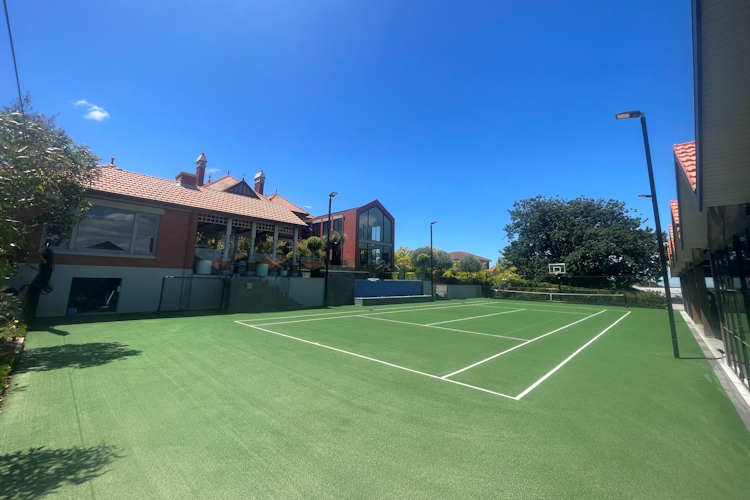
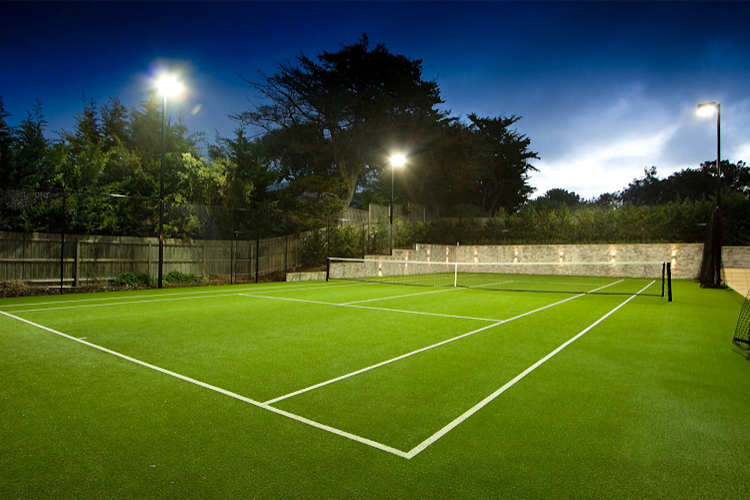
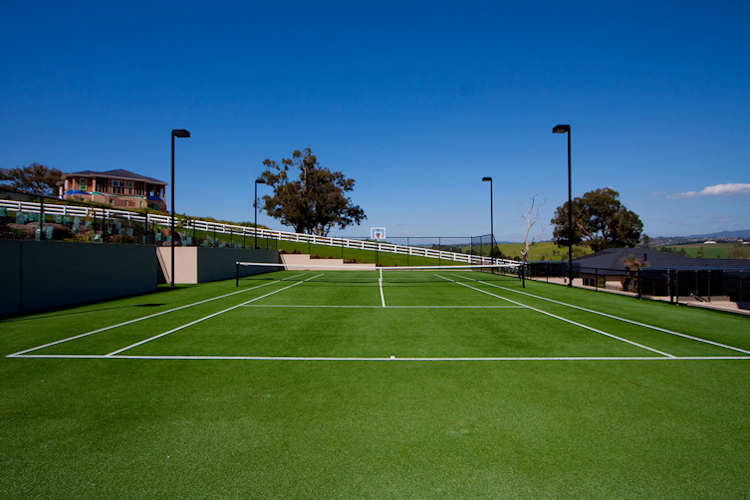
A natural lawn can go brown in the heat or muddy in the rain. We ensure your court maintains a pristine, lush green appearance 365 days a year, significantly enhancing your property’s curb appeal and overall value.
- Player Safety and Comfort
Hard courts (concrete or acrylic) take a toll on the body. The “Soft Court” nature of synthetic grass provides a cushioned layer that is far gentler on the ankles, knees, and lower back. Impact-related injuries are significantly lessened, allowing for longer sessions and more frequent play for all ages.
- All-Weather Performance
One of the greatest advantages of an Ultracourts installation is the drainage. Our systems are engineered to allow water to permeate through the backing. This means that even after a classic Melbourne rain shower, your court can be dry and ready for use in a fraction of the time it takes for other surfaces to become safe.
The Construction Process: Why Expertise Matters
Building a tennis court is an architectural feat. It requires precision excavation, base preparation, and laser-leveling to ensure a “true” bounce.
As artificial grass tennis court builders, Ultracourts manages the entire lifecycle of the project. We understand the local soil conditions—from the heavy clay of the eastern suburbs to the sandier profiles of the bayside area—ensuring the sub-base is stable and won’t sink or crack over time.
Expert Tip: The secret to a great synthetic court isn’t just the grass on top; it’s the engineering underneath. A high-quality drainage system is the difference between a 20-year asset and a backyard pond.
Frequently Asked Questions
Is artificial grass actually good for high-level tennis?
Absolutely. Modern synthetic grass maintains the fast, low ball bounce characteristic of traditional grass courts. Because the surface is perfectly level, you actually get a more predictable bounce than you would on a natural lawn, reducing “dead spots” and unlucky deviations that can frustrate players.
How do I maintain my synthetic court?
While maintenance is low, it isn’t zero. To keep your court in peak condition, you should remove leaves and organic debris regularly to prevent breakdown. Periodically sweeping and brushing the fibres will keep the sand infill evenly distributed. It is also important to use approved products to control any moss or mildew in shaded corners, and always avoid using a water blaster, as this can displace the infill and damage the synthetic fibres.
What tennis shoes should I wear?
For the best grip and to protect the surface, clay court tennis shoes with a herringbone outsole are generally recommended. Brands like Asics, Nike, Yonex, and Adidas all offer clay-specific versions that provide the right balance of slide and grip on synthetic turf without causing excessive wear.
How often does the court need resurfacing?
A well-maintained synthetic court from a professional builder can last anywhere from 10 to 15 years before needing a full resurface. However, depending on high usage or extreme weather exposure, some owners choose to refresh the turf every 8 years to maintain that “new court” aesthetic and playability.
Why Ultracourts?
Opting for artificial grass on your tennis court brings a myriad of advantages: improved ball bounce, a consistent surface, fewer injuries, and drastically reduced maintenance. However, the quality of the finish depends entirely on the skill and experience of the installers.
With decades of experience in the Melbourne sports construction industry, Ultracourts understands exactly how to create a beautiful, high-performance court that complements your lifestyle and your home’s architecture. We don’t just lay turf; we build venues for your family’s future memories.
Ready to transform your backyard?
Contact us today for your own yard transformation!